
What Happens After the Dream Changes
There is rarely a single moment when a business owner decides to close.
It is usually a series of conversations. With partners. With spreadsheets. With yourself in the car between errands or late at night after everyone else is asleep. It looks like recalculating numbers that used to work. Questioning energy levels that once felt endless. Wondering if the version of the business you built still fits the life you are trying to live now.
For many founders, the decision is not dramatic. It is cumulative. A slow recognition that something is shifting. That sustainability matters more than survival mode. That identity and business are deeply connected, but not the same.
We all know the feeling of seeing another business in our community close its doors. A quiet pause that lands differently when you are a founder yourself.
So what happens after the dream changes?
For Angela Low and Alyssa Britton, that question arrived in different ways, but the path toward it looked surprisingly similar. Both women built businesses rooted in something deeply personal. Both poured years of energy into creating spaces people cared about. And both eventually reached the point where the numbers, the responsibilities, and the emotional weight could no longer be ignored.
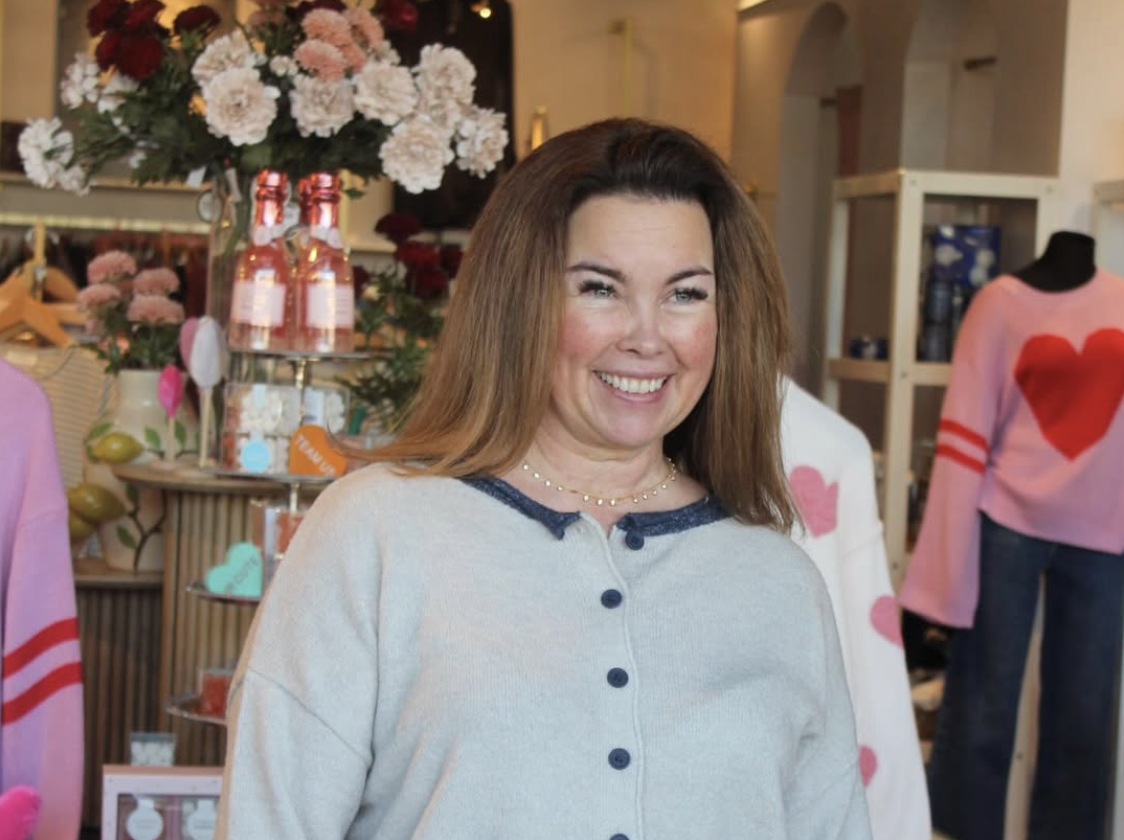
Angela Low stepped into ownership of Swank Boutique in 2020 after years in the corporate world. Fashion had always been part of her identity, and the opportunity to take over the boutique felt like a chance to build something of her own.
“I bought it because I had the opportunity and I was miserable at work. I needed to make a change and thought this would be a good way to get out of the corporate world and eventually be my own boss.”
What Angela did not expect was how complicated running a retail business from across the state would become. Managing a team remotely, balancing another full time job, and navigating a rapidly changing retail environment created constant pressure. When her longtime store manager left after eight years, the challenge only intensified.
“I thought it was tough during Covid,” she says. “But it was even worse after. Sales have been the lowest they have ever been in the last two years.”
Like many small business owners, Angela kept believing things would turn around. She invested heavily into the store, determined to keep it afloat and to support the employees who depended on it. At the same time, she was dealing with personal challenges and unexpected financial complications, including discovering that a trusted accountant had failed to file important documents.
Yet when she reflects on the experience, the lesson she carries forward is not regret.
“I have learned how to run a business, how to open a business, how to close a business. I have learned that I can do anything.”
While the Spokane location of Swank is closing, the brand itself is far from over. A few years ago Angela hosted a pop up in University Place, near Tacoma, and immediately felt it was the right place for a boutique. She added the goal to her vision board and opened a new location in October 2025.
After unexpectedly losing her corporate job last summer, the new store became her full time focus.
“I am now a full time employee of Swank and living my dream.”

Photo by Jennifer DeBarros Photography
Across town, Alyssa Britton was building something very different, but rooted in a similar desire to create meaning through business.
Us By The Moon began as a toy shop, but quickly became something more.
“When I first started this business, it represented community above everything else,” Alyssa says. “It was born in a post pandemic world where so many moms felt isolated and disconnected.”
Her store created space for families to gather, children to play, and conversations between parents to unfold naturally. For many customers, it became a small but meaningful part of their everyday lives.
“This wasn’t just about selling toys. It was about creating a place where moms could come together, kids could play, and relationships could form.”
But like Angela, Alyssa eventually found herself facing the financial realities that often remain invisible from the outside. Overhead costs continued rising, inventory became more expensive, and the way customers were shopping began to change. The moment things shifted came in June 2025.
“That month felt heavy,” Alyssa says. “Our shop didn’t pay for itself for the first time.”
From there, the pattern continued. Transactions stayed relatively steady, but the amount customers were spending dropped significantly as household budgets tightened. “The number of transactions stayed about the same, but the cost per transaction dropped. People were spending less each time they came in.”
Behind the scenes, the financial pressure was constant.
“Rent, utilities, payroll, inventory, software, marketing, taxes. The cost of running a small business is unbelievably high, and it exists whether sales are strong or slow.”
Closing the store was not a sudden decision, but a gradual realization that the business could no longer support itself in the way it once had.
Emotionally, the process has been complex.
“I’ve felt embarrassment, anger, sadness,” Alyssa says. “But right now it mostly feels like relief. Like an exhale after carrying something heavy for a long time.”
Still, she remains proud of what she created.
“This chapter taught me that I belong at the table. I’m capable of building something from the ground up and making hard decisions with resilience and integrity.”
While the storefront will close, the heart of Us By The Moon will continue through markets and a partnership with The Local in Deer Park. The community Alyssa built is not disappearing. It is simply evolving.
And maybe that is the part we do not talk about enough when businesses close.
I’ve seen people claim “the American dream is gone.” But maybe the truth is that businesses closing are not signs that entrepreneurship is broken. They are reminders that entrepreneurship is human. That it moves through seasons. That sometimes the bravest decision is not to push harder, but to listen closer.
And while doors may close, the relationships built and the experience gained do not disappear. They simply carry forward into whatever comes next.